Navigating the NIS2 Directive: Compliance, Challenges, and 2026 Strategic Readiness
In this dynamic environment, the NIS2 Directive stands as a pivotal piece of legislation, representing a significant stride forward in bolstering cybersecurity across the European Union. An updated iteration of the original Network and Information Systems (NIS) Directive, NIS2 imposes stricter requirements on a broader spectrum of essential and important entities, aiming to safeguard critical infrastructure from ever-evolving cyber threats.
Achieving readiness for NIS2 compliance is not merely a regulatory obligation; it is a strategic imperative for organisations to maintain operational continuity and protect their stakeholders. This article delves into what NIS2 readiness entails, highlights the key challenges organisations face, and offers actionable recommendations for achieving robust compliance.
Understanding NIS2 Compliance
The NIS2 Directive significantly expands its scope beyond traditional sectors to encompass a wider array of industries deemed essential for societal functions. This includes critical sectors such as energy, transport, healthcare, and digital infrastructure, among others. Organisations operating within these sectors are now mandated to implement comprehensive risk management practices and to report significant incidents promptly.
Classification: Essential vs. Important Entities
Under NIS2, entities are categorized based on their criticality and size. As of 2026, national authorities are actively using these classifications to prioritize audit schedules.
| Feature | Essential Entities (Annex I) | Important Entities (Annex II) |
| Sectors | Energy, Transport, Banking, Health, Digital Infrastructure, Public Admin. | Postal/Courier, Waste Management, Chemicals, Food, Manufacturing, Digital Providers. |
| Size Threshold | Generally ≥ 250 employees or ≥ €50M turnover. | Generally ≥ 50 employees or ≥ €10M turnover. |
| Supervision | Stricter ex-ante (proactive) and ex-post supervision. | Primarily ex-post (reactive) supervision. |
| Penalties | Up to €10M or 2% of global annual turnover. | Up to €7M or 1.4% of global annual turnover. |
Key Compliance Requirements under NIS2
-
Risk Management Framework: Organisations must establish and maintain a robust framework. This framework is crucial for systematically identifying vulnerabilities, assessing potential cyber risks, and implementing effective mitigation strategies.
-
Incident Reporting: A critical aspect of NIS2 is the stringent reporting requirement. Entities must follow the 24-72-30 rule:
-
24 Hours: Early warning (initial notification of a significant incident).
-
72 Hours: Detailed incident notification (initial assessment).
-
30 Days: Final report (root cause and lessons learned).
-
-
Supply Chain Security: Recognising the interconnectedness of modern digital ecosystems, NIS2 places a strong emphasis on supply chain security. Companies must ensure that their suppliers adhere to similar cybersecurity standards to prevent cascading failures.
-
Cybersecurity Culture: Beyond technical controls, NIS2 underscores the importance of human factors. This involves regular training programs that educate personnel on threat identification and incident reporting protocols.
Challenges to Compliance
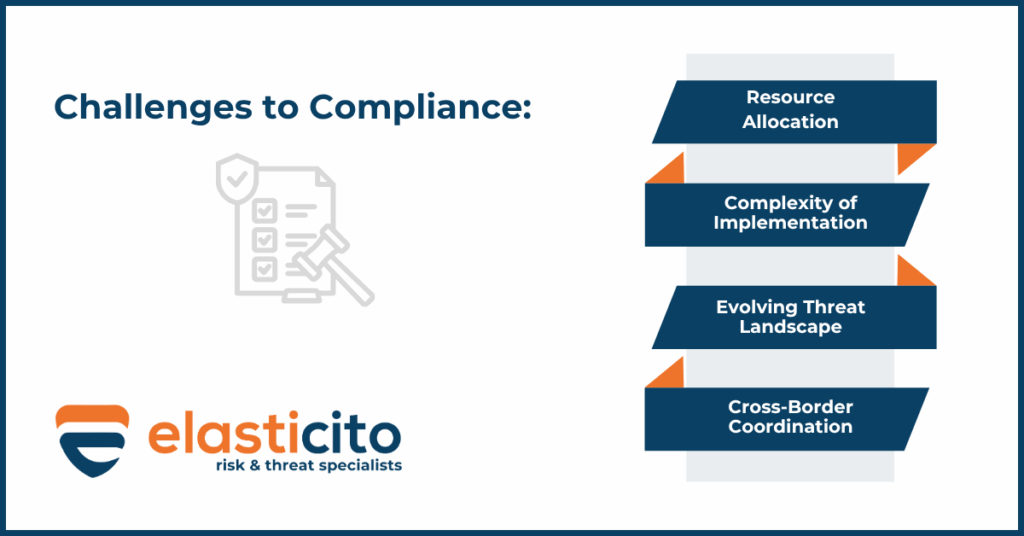
While the overarching goals of the NIS2 Directive are essential for collective security, several challenges may hinder organisations from achieving full compliance:
-
Resource Allocation: A perennial challenge is the struggle with limited budgets and personnel. Meeting NIS2 requirements often demands significant investment in technology and skilled personnel.
-
Complexity of Implementation: The directive’s broad requirements can be overwhelming. Translating the regulatory text into practical, actionable security measures requires specialized expertise.
-
Evolving Threat Landscape: Maintaining NIS2 compliance requires ongoing vigilance and proactive threat intelligence to stay ahead of new attack vectors and advanced persistent threats (APTs).
-
Cross-Border Coordination: For organisations operating across different EU jurisdictions, varying national regulations and interpretations can lead to operational difficulties.
Recommendations for Achieving NIS2 Directive Readiness
To effectively navigate these challenges and achieve robust readiness under the NIS2 Directive, organisations should implement the following strategic recommendations:
-
Conduct a Comprehensive Risk Assessment: The foundational step is an in-depth assessment of current measures against specific NIS2 requirements to identify gaps and vulnerabilities.
-
Invest in Training Programs: Develop programs aimed at enhancing employee awareness. A well-informed workforce is a strong first line of defence.
-
Enhance Incident Response Plans: Create plans that align with the 24-72-30 reporting timelines. These plans should outline clear procedures for detection, analysis, containment, and recovery.
-
Foster Collaboration Across Departments: Cybersecurity is no longer solely an IT function. Facilitate close collaboration between IT security, legal, operations, and senior management.
-
Leverage Technology Solutions: Utilise advanced technologies such as AI-driven threat detection, SIEM solutions, and Zero-Trust authentication (including MFA) to automate monitoring and accelerate response times.
-
Engage External Expertise: Partner with specialized firms like Elasticito. These experts can provide tailored insights, conduct independent audits, and assist in implementing robust security solutions.
Conclusion
The NIS2 Directive presents both a significant opportunity and a considerable challenge for organisations across Europe. Readiness for NIS2 is about fostering a resilient organisational culture that prioritises security at every level. By thoroughly understanding its requirements and making judicious investments in resources and technology, businesses can significantly strengthen their overall cybersecurity posture. In today’s interconnected world, embracing NIS2 compliance is an absolute necessity.
For tailored guidance on navigating NIS2 compliance and strengthening your cybersecurity posture, consider reaching out to Elasticito.
Created: June 10th, 2025
Reviewed: February 11th, 2026